Hustai National Park
Introduction
The Mongolian Government declared Hustai National Park a Specially Protected Area in 1993, one year after the initiation of the world-renowned project to reintroduce the takhi (Przewalski’s horse) to its natural habitat in Hustain Nuruu. Covering 50,600 hectares, the park is home to remarkable biodiversity:
- Flora: 459 species of vascular plants, 85 species of lichens, 90 species of moss, and 33 species of mushrooms.
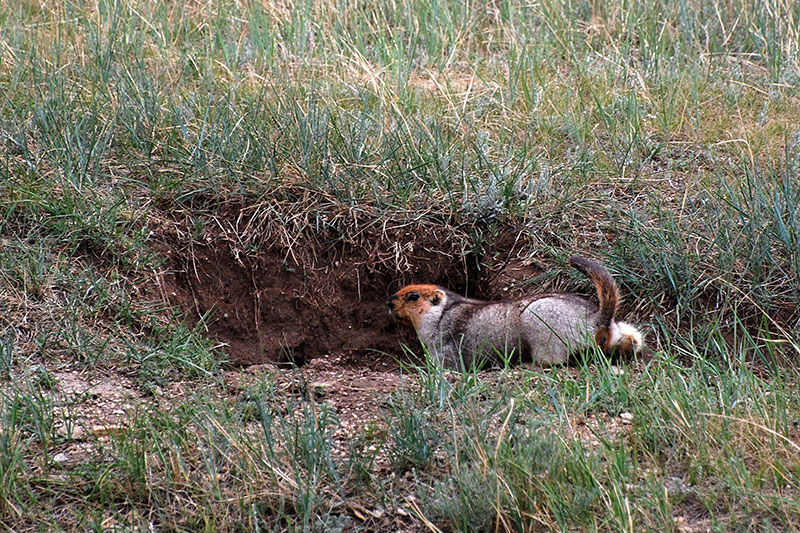
- Mammals: 44 species including red deer, Mongolian gazelle, roe deer, wild boar, argali wild sheep, ibex, marmots, grey wolves, lynx, Pallas’ cats, red foxes, corsac foxes, and Eurasian badgers.
- Birds: 217 species including golden eagle, lammergeier, great bustard, whooper swan, black stork, Daurian partridge, and little owl.
- Other fauna: 16 fish species, 2 amphibians, and 385 insect species (including 21 ant species, 55 butterflies, 10 bush crickets, and 29 grasshoppers). A new soil insect species discovered here has been named Epidamaeus khustaiensis.
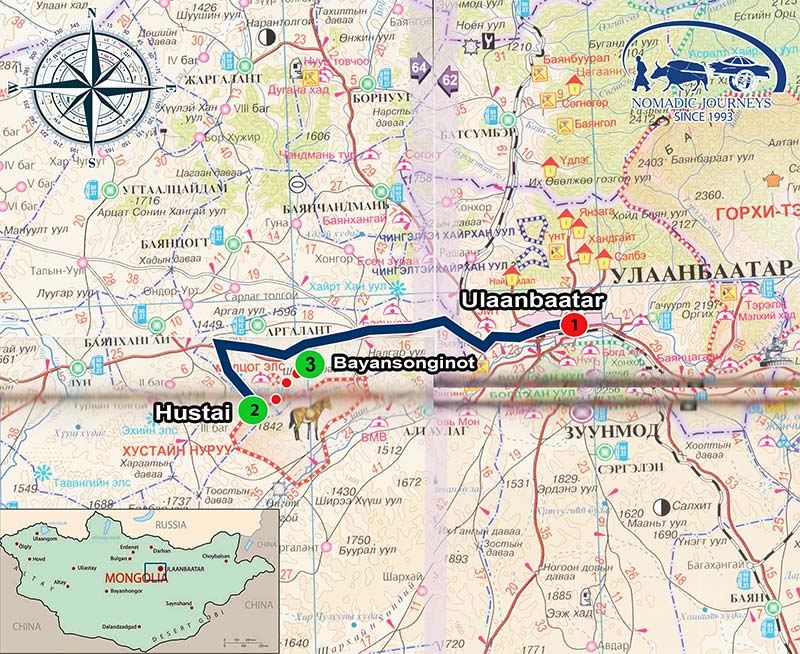
Hustai National Park is located 95 km west of Ulaanbaatar, extending through the Khentii Mountains and the western edge of the Mongolian steppe, covering parts of Altanbulag, Argalant, and Bayankhangai Soums in Töv Province.
| Trip Details |
|---|
| Hustai National Park and
Bayansonginot Community |
| Daily |
Trip Details
Activities
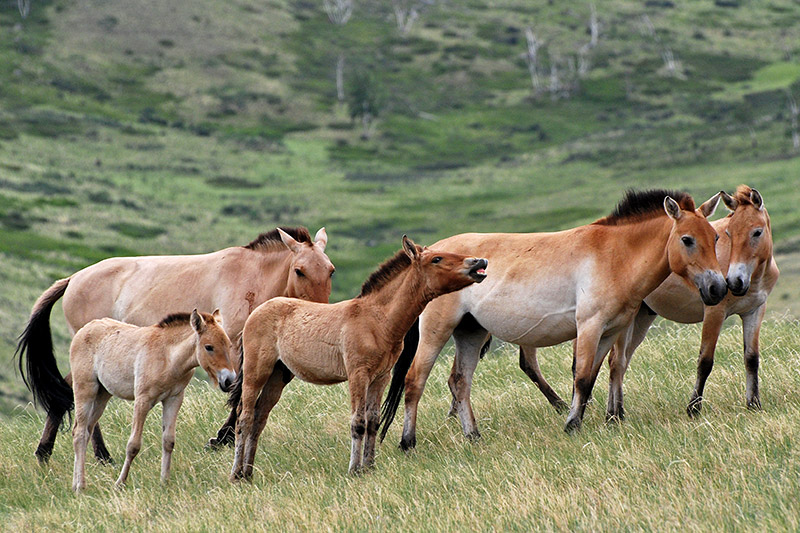
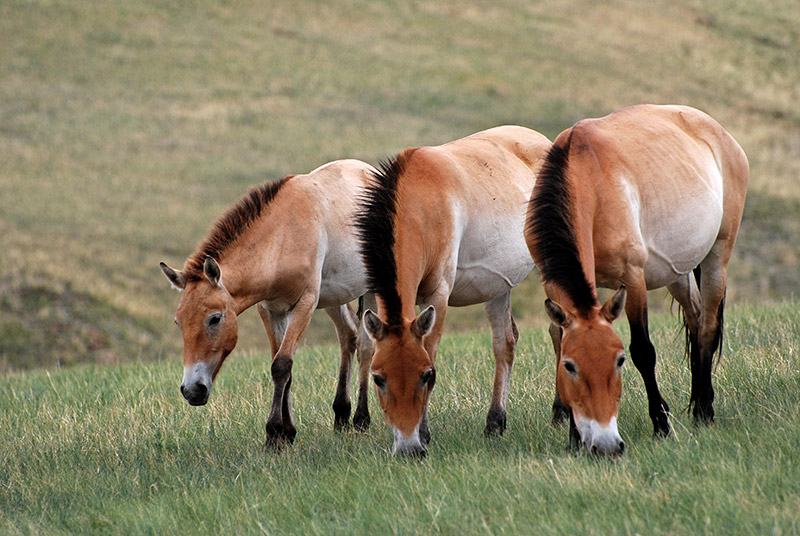
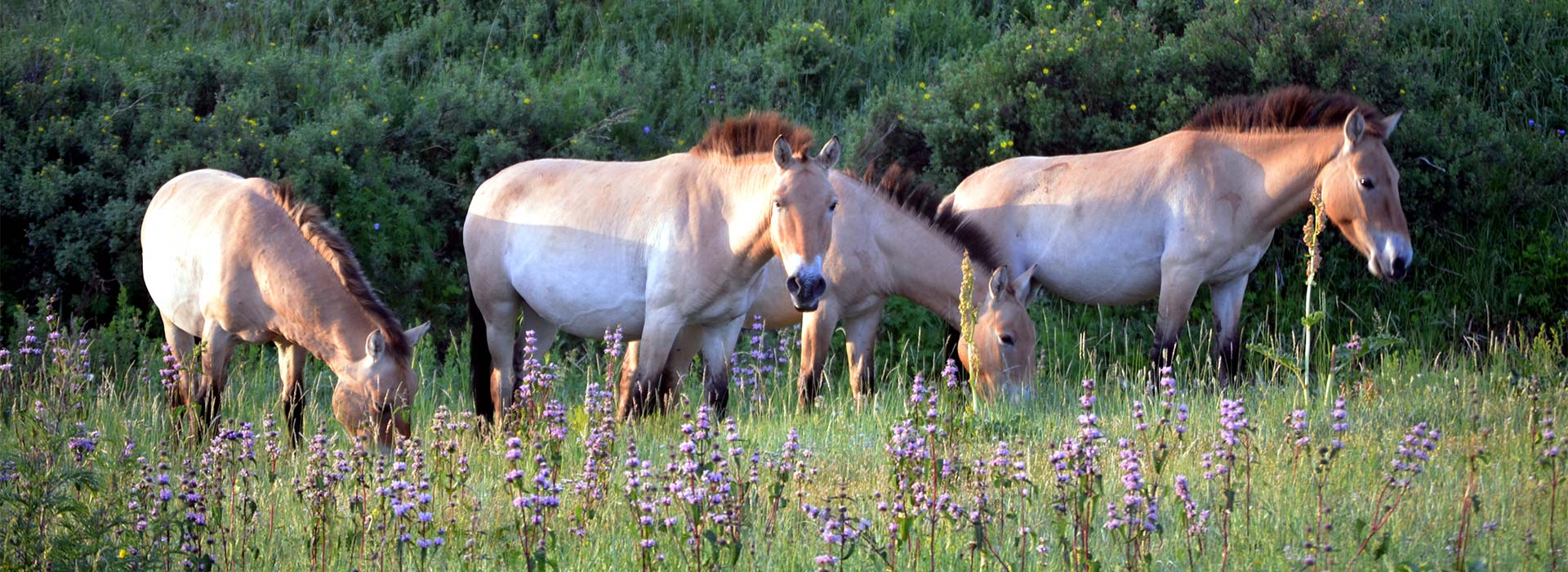
- Early Morning: Depart from Ulaanbaatar after breakfast. Upon arrival, you will have the best chance to see the wild takhi horses grazing on the lower slopes. As the day warms, they usually retreat higher into the mountains.
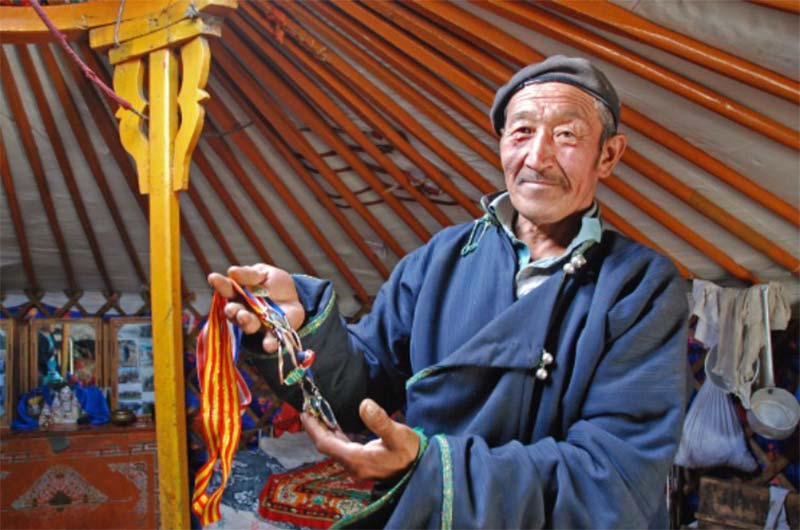
- Midday: After morning hiking to see the takhi horses we’ll have lunch at the local nomad family. Lunch is a Mongolian dish prepared by the nomad family.
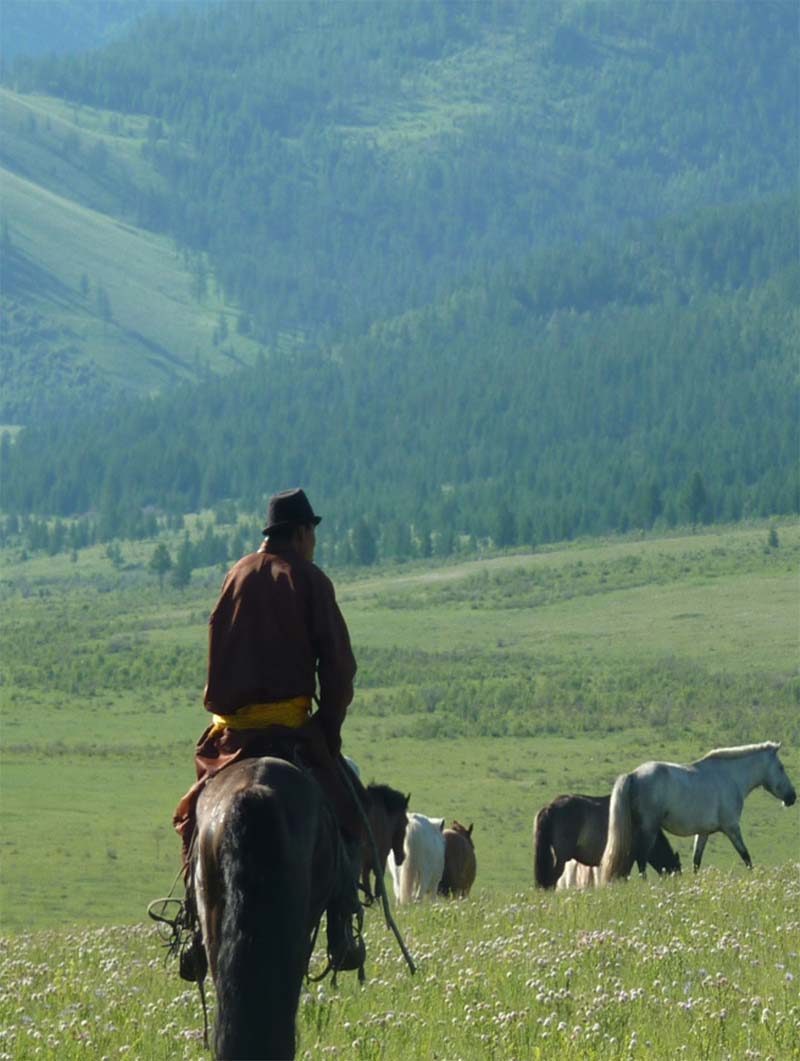
- Afternoon: Participate in everyday nomadic life: learn about livestock herding, try your hand at dairy production, or simply relax and soak in the surrounding landscapes.
Takhi – The Wild Horse of Mongolia
The takhi, also known as Przewalski’s horse (Equus ferus przewalskii), is a rare and endangered subspecies of wild horse (Equus ferus) native to the vast steppes of Central Asia. Unlike most so-called “wild” horses today—such as the American Mustang or the Australian Brumby, which are actually feral descendants of domesticated horses—the takhi has never been domesticated. It remains the only truly wild horse in the world. At one time, the species had become extinct in the wild; in Mongolia, the last wild takhi was seen in 1966. Thanks to international conservation efforts and a reintroduction program, they now roam once again in their native habitat, particularly within Hustai National Park. Takhi live in small, permanent family groups composed of: One adult stallion, one to three mares and their common offspring. Young horses typically stay with the family until they become independent at around two or three years of age. After leaving, bachelor stallions—and sometimes older stallions—form separate bachelor groups. Several family groups can also come together, forming larger herds that move across the steppe.
Itinerary map

PRICE ex Ulaanbaatar:
1 person: USD 400 per person
2 people: USD 300 per person
3 people: USD 250 per person
4-7 people: USD 200 per person
8+people: USD 180 per person
Practicalities:
- Includes:
- Round-trip transfer
- Lunch outside Ulaanbaatar
- Local English-speaking guide
- Entrance fees to museums and parks
- Excludes:
- Drinks and laundry
- Arrival/departure transfers and hotel nights in Ulaanbaatar
- Transfers: Operate daily year-round as shared transfers on fixed schedule.
- Departure: 09:00 from Ulaanbaatar
- Return: Around 17:00 to
What our guests say
We appreciate your feedback about our tours and services.
-
Great place to stay and experience mongolian way of living, no tv, wifi, phone. Just nature and great company of the staff and livestocks of mongolia. The toilet is a hole in the ground covered by a shed. It is clean, but can be smelly to those used to city life. Not hot water supply, inform the staff that you like to hot water half an hour earlier so that they can boil it over camel dung 🙂

-
Great place to stay and experience mongolian way of living, no tv, wifi, phone. Just nature and great company of the staff and livestocks of mongolia. The toilet is a hole in the ground covered by a shed. It is clean, but can be smelly to those used to city life. Not hot water supply, inform the staff that you like to hot water half an hour earlier so that they can boil it over camel dung 🙂